


San Francisco Conference Transportation Guide
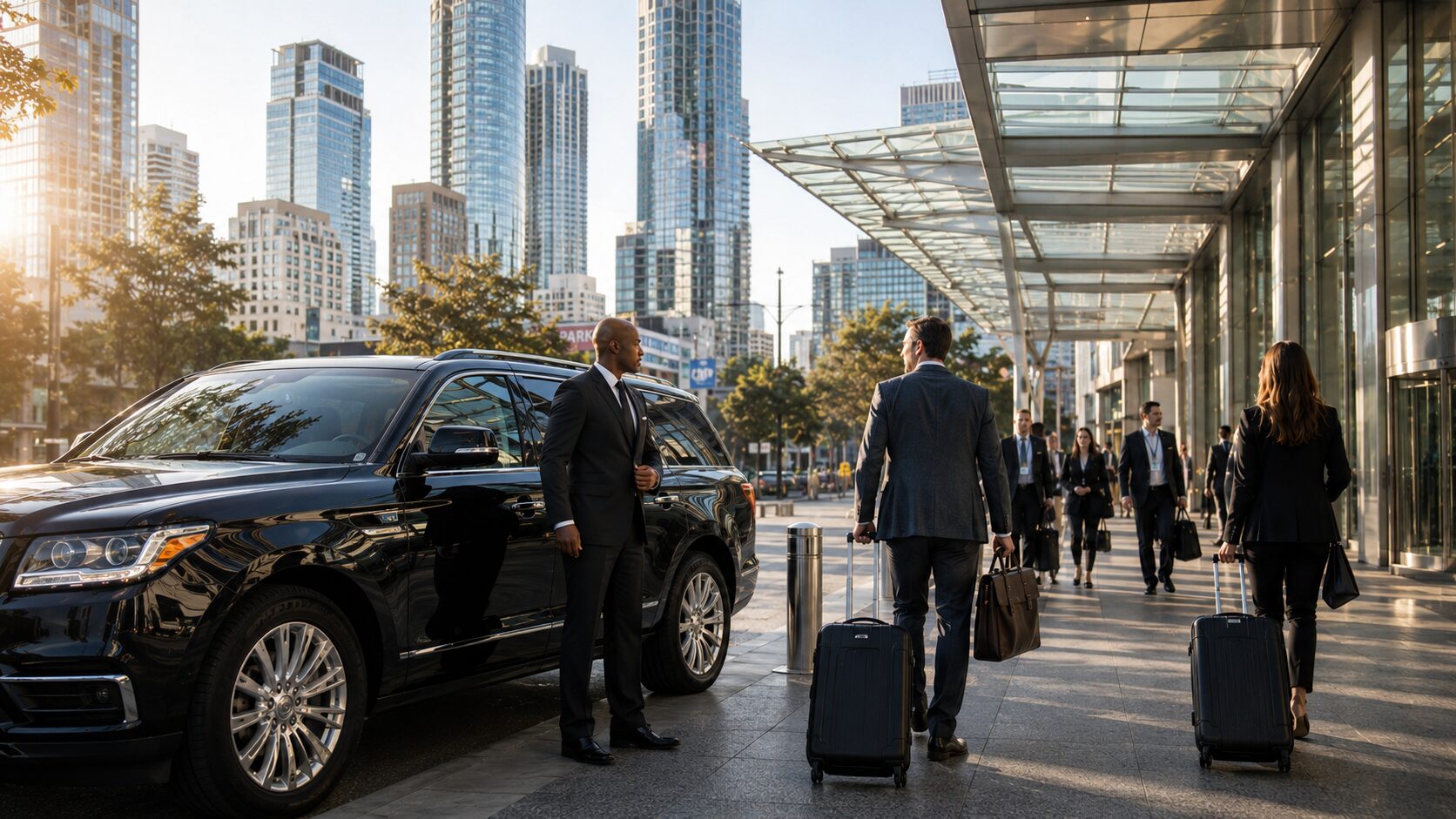
What is the best way to plan San Francisco conference transportation?
The best way to plan San Francisco conference transportation is to map every arrival, hotel, meeting, dinner and venue movement before event week. Then, confirm flight details, passenger counts, luggage needs, VIP priorities, pickup zones, vehicle types and timing buffers for Moscone Center, SFO, Union Square, SoMa and Financial District schedules.
In addition, this guide helps executive assistants, meeting planners and on-site coordinators keep every airport pickup, hotel transfer, dinner movement and VIP ride clear before guests arrive.
Why This San Francisco Conference Transportation Guide Starts with Planning
Conference Travel Is More Than One Ride
Conference transportation in San Francisco is different from a simple point-to-point ride. A single event can include airport arrivals, hotel transfers, VIP speakers, board members, sponsor dinners, off-site meetings, executive assistants, luggage, exhibit materials, after-hours events and return flights.
Downtown Timing Needs Extra Attention
Because downtown San Francisco has busy streets, one-way corridors, hotel loading zones, convention foot traffic and limited curb space, the right plan protects the schedule. For this reason, this San Francisco Conference Transportation Guide focuses on practical movement: who needs to be picked up, where they are going, what they are carrying and how much timing flexibility is needed.
Common Questions About San Francisco Conference Transportation
How early should conference transportation be booked?
Book as early as possible for major conferences, especially when the request includes executive SUVs, airport arrivals, multiple vehicles, evening dinners, large groups or several days of service. During citywide conventions, premium vehicle availability can tighten quickly.
What information should an executive assistant provide?
Provide traveler names, flight numbers, phone numbers, pickup locations, hotel names, meeting addresses, passenger counts, luggage count, preferred vehicle type, billing contact and any VIP privacy or timing requirements. Also, include an on-site coordinator when several vehicles are involved.
Is hourly service better than point-to-point service?
Hourly service is usually better when the schedule includes meetings, hotel pickups, dinners, waiting time, speaker transfers or uncertain return times. By contrast, point-to-point service works best for simple airport, hotel or venue transfers with fixed timing.
Downtown Hotels, Dinner Transfers and Off-Site Events
Hotel Transfers Are Part of the Conference Experience
Conference transportation does not stop at Moscone Center. Many important movements happen between hotels, restaurants, offices, private venues, hospitality suites and post-session events. Union Square, SoMa, the Financial District, Embarcadero, Nob Hill and Mission Bay can all become part of the schedule.
Dinner Transfers Require More Precision
For executive teams, dinner transfers are often more sensitive than daytime transfers. Guests may be dressed formally, traffic may be heavier, restaurants may have strict reservation times and the group may need a polished arrival. Because of this, a private chauffeur plan should include pickup windows, restaurant addresses, expected dinner duration and return options.
Good Logistics Should Feel Invisible to Guests
If a company is hosting clients, the transportation should feel invisible. That means guests are picked up on time, vehicles are clean, chauffeurs are professional, and coordinators know who is moving where before the event begins. As a result, the host team can focus on the relationship, not the ride.
Sample Conference Day Transportation Plan
Build the Schedule Around the Event Day
A strong conference transportation plan follows the event day, not just the map. The schedule below shows how a company might coordinate executives, attendees and hosted guests during a busy Moscone Center conference day.
How to Plan San Francisco Conference Transportation in Five Steps
The best conference transportation plan is built before the first guest arrives. Therefore, use this five-step checklist to organize airport arrivals, hotel transfers, Moscone Center movements, dinners, off-site meetings and VIP schedules.
Map the conference schedule
List all conference dates, session times, meeting locations, dinner reservations, airport arrivals and return departures.
Confirm travelers and priorities
Identify VIP guests, speakers, executives, board members, group passengers and any travelers with strict timing requirements.
Choose the right vehicles
Select sedans, luxury SUVs, vans, Sprinter-style vans or multiple vehicles based on guest type, passenger count and luggage needs.
Build timing buffers
Allow extra time for airport arrivals, downtown traffic, hotel loading zones, Moscone Center foot traffic and post-event departures.
Confirm dispatch details
Provide final names, phone numbers, pickup points, billing contact, on-site coordinator and any schedule changes to SFDRIVEN.
Vehicle Selection and Logistics for Conference Week
Match the Vehicle to the Guest and the Schedule
Vehicle selection should match the guest, not only the passenger count. A senior executive may need a quiet sedan. Meanwhile, a sponsor team may need a luxury SUV with luggage space. A conference group may need a van or Sprinter-style van for hotel-to-venue transfers. In addition, larger events may require staged vehicles, dispatch communication and multiple pickup waves.
Recommended Vehicle Uses
- Luxury sedan: best for one or two executives, VIP speakers or board members.
- Luxury SUV: best for airport pickups, luggage, senior guests and small teams.
- Van: useful for coordinated group transfers and practical conference movement.
- Sprinter-style van: ideal for executive teams, hospitality groups and multi-stop schedules.
- Multiple vehicles: best for staggered arrivals, large groups and high-touch events.
Details to Share Before Booking
- Conference name, venue, dates and daily schedule.
- Pickup addresses, hotel names, restaurants and off-site venue details.
- Passenger names, phone numbers, assistant contacts and VIP priority notes.
- Flight numbers, arrival terminals, luggage count and meeting deadlines.
- Preferred vehicle type, number of passengers and whether hourly service is needed.
- Billing contact, on-site coordinator and any changes expected during the event.
Benefits of Private Conference Transportation
Better Timing, Better Guest Experience, Less Stress
The best transportation plan supports the event team, the executive assistant and the guest. In other words, it is not only about the car. It is about timing, confidence, communication and a smooth experience from arrival to departure. Also, a strong plan reduces the number of last-minute calls during busy conference hours.
Official San Francisco Conference Planning Resources
This guide focuses on transportation planning. However, conference dates, venue access, public transit guidance and event details can change. Therefore, confirm current information with official resources before finalizing your schedule.
Related SFDRIVEN Corporate and San Francisco Transportation Pages
More Private Transportation Resources for Conference Guests
Use these related pages when your conference schedule requires broader private transportation, hourly chauffeur service, airport arrivals, corporate travel or VIP logistics. In addition, these resources help executive assistants, meeting planners and visiting guests choose the right transportation plan for each part of the San Francisco event schedule.
Frequently Asked Questions About San Francisco Conference Transportation
Quick Answers for Executive Assistants, Event Planners and Corporate Guests
What is the best transportation for a San Francisco conference?
The best transportation depends on the schedule. Sedans work well for VIP executives, luxury SUVs are ideal for airport arrivals and luggage, and vans or Sprinter-style vans are better for groups, hotel transfers and off-site events.
How early should I book conference transportation in San Francisco?
Book as early as possible for major conference weeks, especially when you need multiple vehicles, executive SUVs, airport pickups, speaker transfers, dinner transportation or multi-day service.
Can SFDRIVEN handle SFO airport pickups for conference guests?
SFDRIVEN provides SFO airport pickups for conference guests, executives, speakers, sponsors and groups. Flight tracking, terminal details, luggage needs and hotel destination should be shared before the pickup.
Is hourly chauffeur service better for conference transportation?
Hourly chauffeur service is usually better when the schedule includes meetings, waiting time, off-site dinners, several stops, VIP guests or uncertain return times. Point-to-point service works better for simple fixed transfers.
Can conference transportation include hotels, restaurants and off-site venues?
Conference transportation can include hotel pickups, Moscone Center transfers, restaurant transportation, client dinners, speaker transfers, roadshows, private venues and airport returns.
What information should I send for a conference transportation quote?
Send dates, pickup addresses, destinations, passenger counts, flight numbers, luggage count, vehicle preferences, schedule details, billing contact and any VIP requirements. The more complete the details are, the smoother the transportation plan will be.
Final Planning Note for Conference Transportation
Confirm the Details Before the First Vehicle Is Dispatched
Before the event begins, confirm the final schedule, passenger names, pickup points, hotel addresses, flight numbers, dinner reservations and on-site contact information. As a result, the transportation team can adjust faster if a flight is delayed, a session runs late or a guest changes plans. In addition, this final confirmation helps protect the guest experience during the busiest parts of conference week.